| A; Hong Kong; 1; 1968
A/Hong Kong/1/1968 (H3N2) is a landmark influenza virus in virology. Its defining characteristic is an antigenic shift in the hemagglutinin (HA) protein— its HA gene originated from avian influenza virus (H3 subtype) and replaced the HA (H2 subtype) of the previously circulating H2N2 virus through genetic reassortment. This novel H3 antigen triggered a pandemic due to widespread lack of immunity in the global population. Its HA protein effectively binds to α -2,6-linked sialic acid receptors on human upper respiratory tract cells, forming the molecular basis for its highly efficient human-to-human transmission.
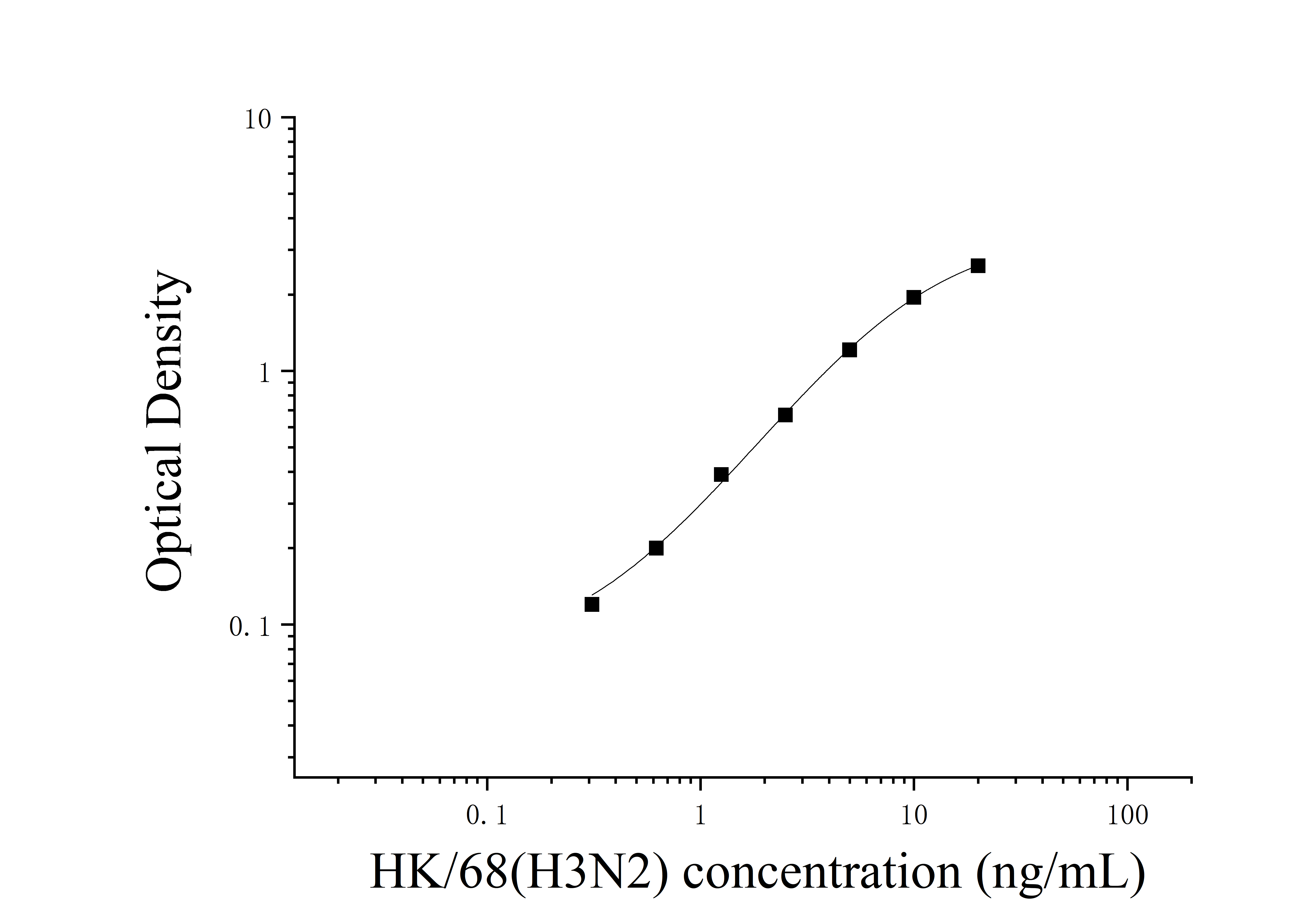
| Typical data
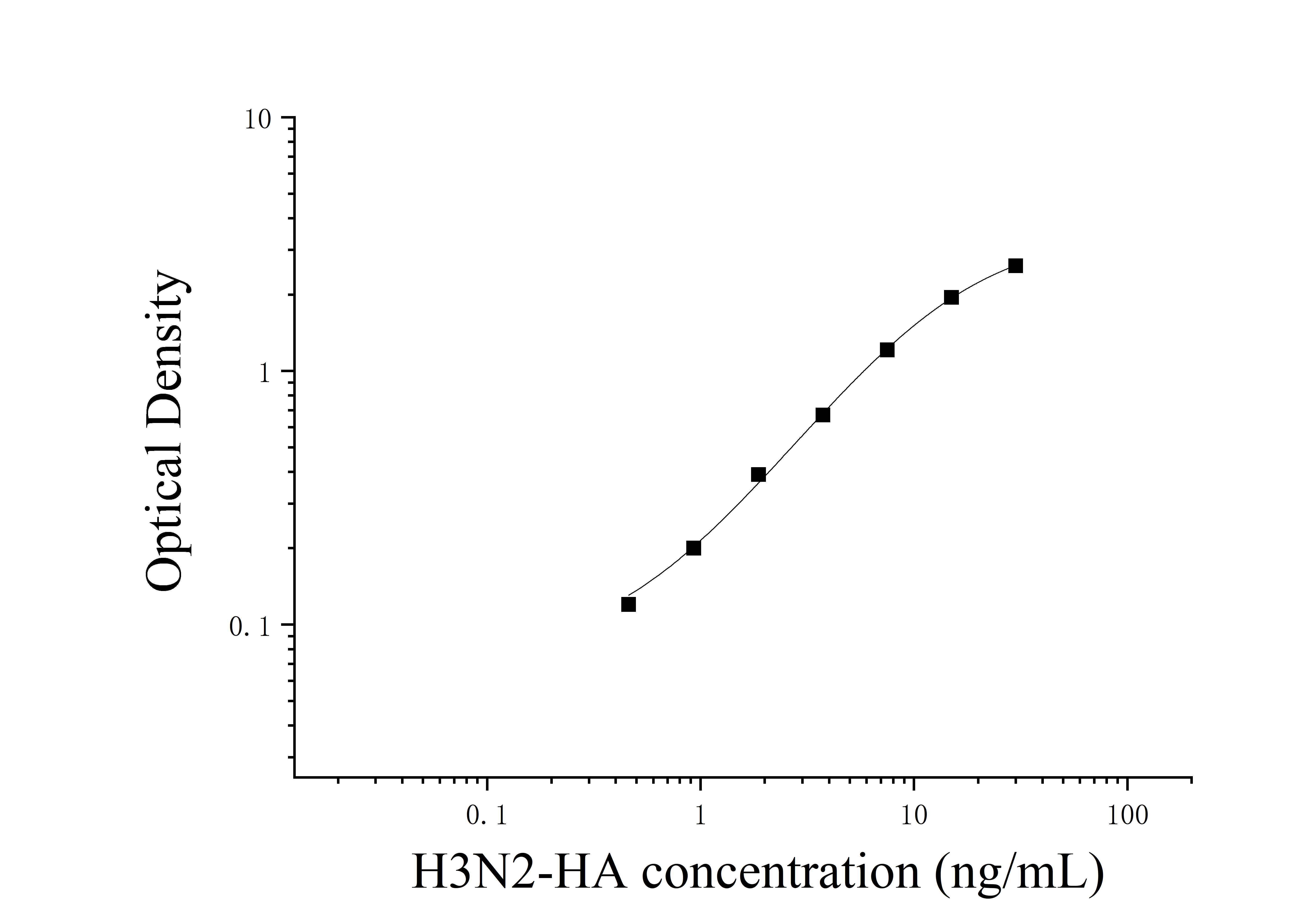
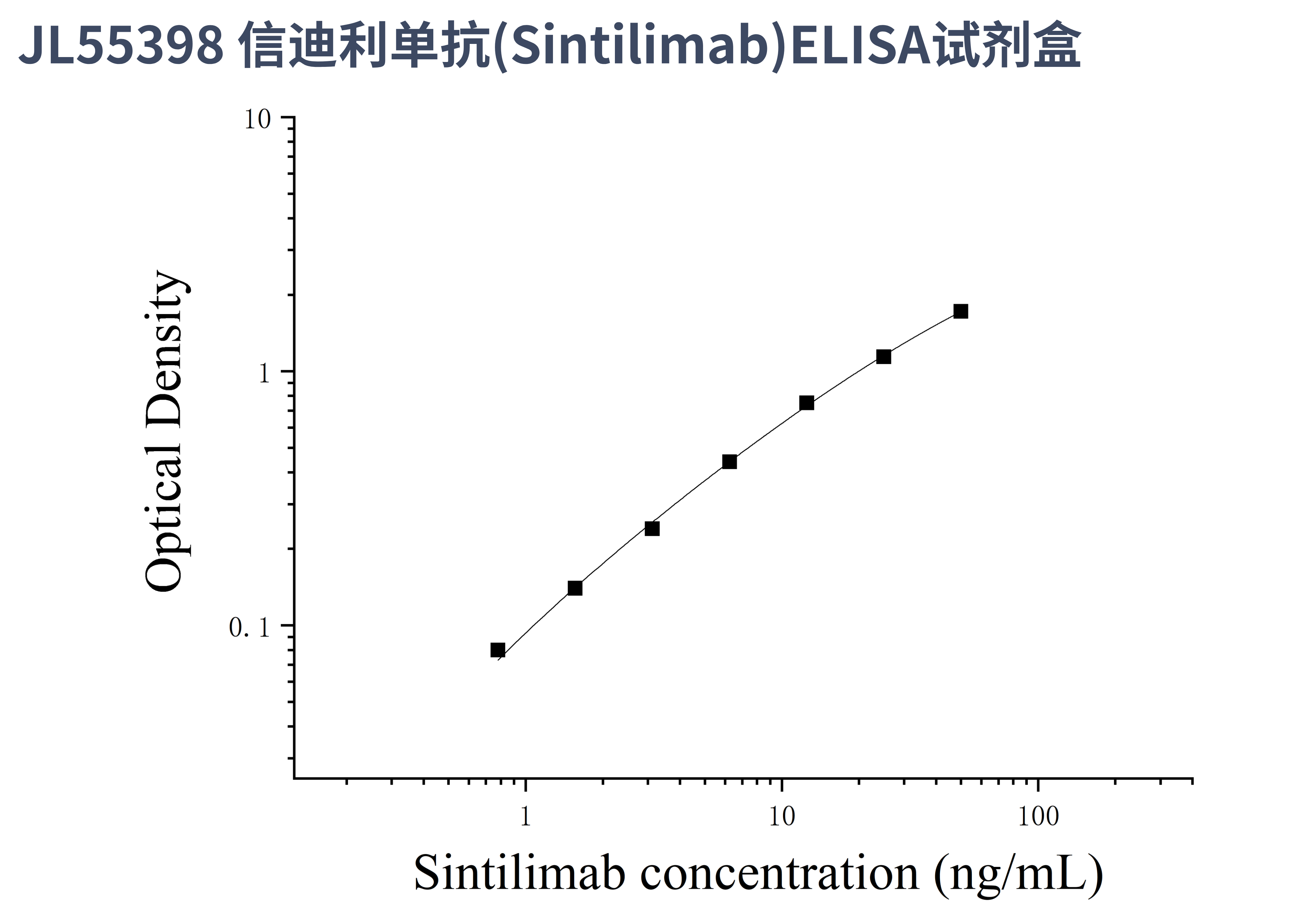
As the OD values of the standard curve may vary according to the conditions of the actual assay performance (e.g. operator, pipetting technique, wash technique or temperature effects), the operator should establish a standard curve for each test. Typical standard curve and data are provided below for reference only.
| Concentration (ng/mL) |
20 |
10 |
5 |
2.5 |
1.25 |
0.62 |
0.31 |
0 |
| OD |
2.7 |
2.05 |
1.31 |
0.77 |
0.49 |
0.3 |
0.21 |
0.1 |
| Corrected OD |
2.6 |
1.95 |
1.21 |
0.67 |
0.39 |
0.2 |
0.12 |
- |
| Repeatability
Intra-assay Precision (Precision within an assay):CV% < 10%; Inter-assay Precision (Precision between assays):CV% < 10%
| Recovery
The recovery of A; Hong Kong; 1; 1968 spiked at three different levels in samples throughout the range of the assay was evaluated in various matrices.
| Sample Type |
Range(%) |
Average Recovery(%) |
| Serum(n=8) |
82-105 |
96 |
| Plasma(n=8) |
87-98 |
93 |
| Linearity
Samples were spiked with high concentrations of A; Hong Kong; 1; 1968 and diluted with Universal Diluent to produce samples with values within the range of the assay.
| |
|
Serum(n=4) |
Plasma(n=4) |
| 1 : 2 |
Range (%) |
100-114 |
86-104 |
| Average (%) |
105 |
97 |
| 1 : 4 |
Range (%) |
82-105 |
96-114 |
| Average (%) |
98 |
103 |


(127).jpg)